
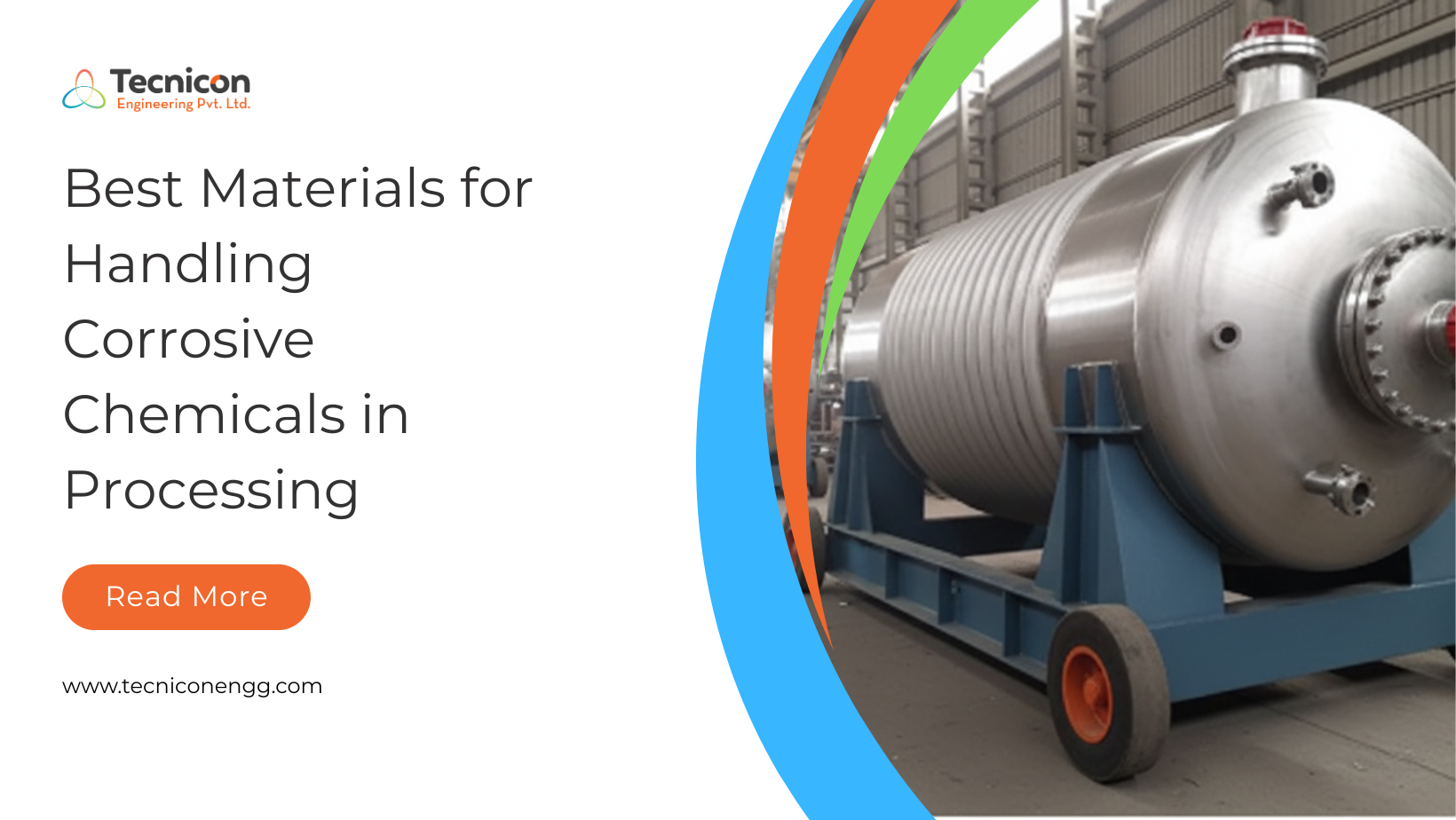
Best Materials for Handling Corrosive Chemicals in Processing
Introduction
Choosing the best materials for handling corrosive chemicals is one of the most critical decisions in any chemical processing industry. The wrong material can lead to equipment failure, leaks, safety hazards, and costly downtime.
Corrosion is not just a maintenance issue it directly impacts efficiency, safety, and long-term profitability. Whether you are dealing with acids, alkalis, or aggressive solvents, selecting the right corrosion resistant materials for chemical processing ensures durability and reliable performance.
In this guide, you’ll learn:
- The most effective materials used in corrosive environments
- How to choose the right option for your application
- Practical tips to prevent corrosion in industrial systems
Why This Topic Matters
Corrosive chemicals can rapidly degrade standard materials, leading to:
- Equipment damage
- Product contamination
- Increased maintenance costs
- Safety risks for workers
Industries across India from Gujarat’s manufacturing hubs to nationwide processing plants depend on industrial corrosion resistant materials India to maintain operations.
Key Reasons to Priorise the Right Materials:
- Safety compliance: Prevent leaks and hazardous exposure
- Cost savings: Reduce repairs and replacements
- Operational efficiency: Maintain uninterrupted production
- Long-term durability: Extend equipment lifespan
Main Guide: Best Materials for Handling Corrosive Chemicals
Stainless Steel (Including Duplex Grades)
Stainless steel is one of the most widely used chemical resistant metals and alloys.
Why It Works:
- Strong resistance to rust and oxidation
- Suitable for mild to moderately corrosive chemicals
- Easy to clean and maintain
Popular Types:
- 304 Stainless Steel – General use
- 316 Stainless Steel – Better for acidic environments
- Duplex Stainless Steel – High strength and improved corrosion resistance
Use Case: Common in pipelines, reactors, and storage systems in the duplex stainless steel chemical industry India.
Hastelloy and High-Performance Alloys
When standard metals fail, high-performance alloys like Hastelloy step in.
Benefits:
- Exceptional resistance to strong acids and chemicals
- Performs well under high temperature and pressure
- Ideal for highly aggressive environments
These are often supplied by Hastelloy equipment supplier India for critical applications.
Use Case: Chemical reactors, heat exchangers, and acid processing units.
FRP (Fiberglass Reinforced Plastic)
FRP is gaining popularity as a top choice for materials for corrosive chemical storage tanks.
Why FRP is Effective:
- Excellent resistance to a wide range of chemicals
- Lightweight yet strong
- Low maintenance and long lifespan
FRP vs Stainless Steel for Chemical Storage Tanks:
- FRP is better for highly corrosive chemicals
- Stainless steel is stronger but may corrode under extreme conditions
Use Case: Widely used by FRP tanks manufacturer India for storage tanks and piping systems.
PTFE (Teflon) Lined Equipment
PTFE lining is one of the most effective anti corrosion materials for industrial processing.
What is PTFE Lining?
It is a protective layer applied inside equipment to prevent chemical contact with the base material.
Key Advantages:
- Almost universal chemical resistance
- Non-stick surface
- High temperature tolerance
Commonly provided by PTFE lined equipment manufacturer Ahmedabad.
Use Case: Reactors, pipelines, and vessels handling strong acids.
Rubber Lined Equipment
Rubber lining is a cost-effective option for corrosion protection.
Benefits:
- Excellent resistance to acids and abrasive materials
- Flexible and impact-resistant
- Affordable compared to alloys
Used widely by rubber lined vessels manufacturer India.
Use Case: Storage tanks and chemical processing vessels.
Materials Used to Resist Acids and Alkalis
When selecting acid resistant materials for processing plants India, consider:
- Metals: Stainless steel, Hastelloy
- Non-metals: FRP, PTFE, rubber
- Coatings: Epoxy, glass lining
Each material performs differently depending on:
- Chemical type
- Temperature
- Pressure
- Exposure duration
Benefits of Using the Right Corrosion Resistant Materials
Increased Equipment Life
Proper material selection prevents early wear and failure.
Reduced Maintenance Costs
Less corrosion means fewer repairs and replacements.
Improved Safety
Minimises risk of leaks and hazardous exposure.
Better Efficiency
Equipment performs consistently without interruptions.
Regulatory Compliance
Meets industrial safety and environmental standards.
Common Mistakes to Avoid
Choosing Based Only on Cost
Cheap materials often fail quickly in corrosive environments.
Ignoring Chemical Compatibility
Not all materials resist all chemicals always check compatibility charts.
Overlooking Temperature Factors
Some materials degrade under high heat even if chemically resistant.
Poor Maintenance Practices
Even the best materials need regular inspection.
Expert Tips for Choosing the Right Material
Understand Your Chemical Properties
Know whether you are dealing with acids, alkalis, or solvents.
Evaluate Operating Conditions
Consider:
- Temperature
- Pressure
- Exposure time
Work with Reliable Suppliers
Choose trusted chemical handling equipment manufacturer India for quality assurance.
Use Protective Linings
PTFE and rubber linings add an extra layer of protection.
Consider Long-Term ROI
Investing in better materials reduces costs over time.
Corrosion Protection Methods in Chemical Industry India
Beyond material selection, additional corrosion protection methods in chemical industry India include:
- Protective coatings and linings
- Cathodic protection
- Regular inspection and maintenance
- Proper storage and handling practices
These methods enhance the performance of chemical storage tank materials India and extend their lifespan.
Key Benefits (Quick Summary)
- Strong resistance to aggressive chemicals
- Longer equipment life
- Lower maintenance costs
- Improved safety and compliance
- Better process efficiency
Conclusion
Selecting the best materials for handling corrosive chemicals is essential for safe, efficient, and cost-effective industrial operations. From stainless steel and duplex alloys to FRP, PTFE, and rubber linings, each material offers unique advantages depending on your application. Understanding your chemical environment and choosing the right corrosion resistant materials for chemical processing can significantly reduce risks and improve long-term performance.